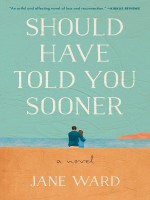
A heartfelt and realistic romance, woven with the complexities of secrets, misunderstandings, and the twists of unpredictable life events, captures readers in Jane Ward’s latest novel, “Should Have Told You Sooner.” The story opens with an emotional letter written by a young boy to his unknown birth mother, immediately drawing readers into the layers of mystery and emotion that define the narrative. The plot then unfolds through the life of Noel, a professional immersed in the art world, whose past experiences in London add depth and richness to her character. Through its compelling characters and emotionally charged storyline, the novel explores the challenges of relationships and the weight of untold truths.
Thirty years later, the story shifts its primary location to London, where the author skillfully weaves British dialect, specific vocabulary, and recognizable landmarks into the setting to create a richer, more authentic atmosphere. The narrative delves deeply into the art sub-culture of Britain, introducing a formidable and interconnected cast of participants. This includes everyone from studio painters and their close friends to esteemed museum curators and their administrative personnel, all of whom contribute to the vibrant backdrop. It is within this bustling London art scene that Noel finds herself fully immersed, reconnecting with colleagues from her university days and, in doing so, confronting the repressed secrets she has long tried to keep buried.
The adopted boy continues his heartfelt search for his birth parents, driven by a deep need to uncover his origins and understand his identity, while Noel wrestles with the weight of her painful past, haunted by regrets tied to her decision to remain silent for so many years. The narrative alternates between their voices, emphasizing the universal human longing for truth and closure. Although readers may expect a straightforward resolution, the story unfolds into a more complex and layered journey, revealing that the path to understanding is rarely simple.
The minor characters, while occupying less narrative space, are equally well-developed and serve to enrich the story's exploration of moral and emotional dilemmas. These individuals grapple with their own inner conflicts, facing challenges that test their sense of right and wrong, the consequences of their choices, and the delicate balance between ambition and responsibility. Through their struggles, the story deepens its portrayal of how decisions shape not just individual lives but the interconnected world around them. The question of “What if” looms large, as each character reflects on their past choices, imagining alternate futures and contemplating how even the smallest decisions might alter the course of their lives forever.
Readers who believe they have pinpointed the ending will find themselves engrossed late into the night, compelled to see how the intricate threads of the plot finally resolve. The characters' internal, personal stories may be mirrored in the readers' own lives, prompting reflection on their own experiences with difficult choices and unspoken truths. The central question of “What if?” resonates deeply, inviting speculation on how truth and confession can powerfully alter the future. The unpredictable and thought-provoking conclusion will satisfy the readers’ innate need to believe that truth, despite the pain it may temporarily bring, ultimately outweighs the consequences of silence. “Should Have Told You Sooner” is a must-read for young adults on the cusp of independence, navigating the transition from home to the complexities of the real world.
Reviewed by: carol
|