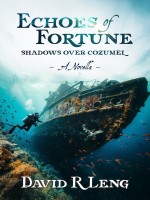
In Shadows Over Cozumel, the captivating second installment of David Leng’s Echoes of Fortune series, readers are immersed in a thrilling journey of history, danger, and the relentless pursuit of truth beneath the striking turquoise waters of the Caribbean. Historian Jack Sullivan, Smithsonian curator Emma Wilson, and Navy engineer Steve Johnson reunite for what initially appears to be a peaceful Thanksgiving dive trip. However, their plans quickly take an unexpected and dramatic turn when they stumble upon the wreckage of the Del Rio, a Confederate blockade runner lost at sea in 1865. What follows is a riveting, high-stakes adventure filled with buried secrets, historical intrigue, and deadly rivalries.
Leng masterfully raises the tension with the introduction of Colonel William Hathaway, a ruthless and enigmatic antagonist. Hathaway’s deep ties to Confederate history, combined with his inherited influence and immense wealth, make him a formidable and dangerous adversary. His ominous black yacht, brimming with resources and cutting-edge technology, looms throughout the story as both a literal and symbolic representation of the power and privilege he wields in his quest to thwart the protagonists’ mission. The stakes escalate as Jack, Emma, and Steve find themselves not only unraveling the mysteries of the Del Rio but also navigating the perilous waters of Hathaway’s relentless pursuit.
One of the novella’s greatest strengths lies in Leng's vivid and atmospheric description of the underwater exploration of the Del Rio, a sunken ship resting at the bottom of the Caribbean Sea. He masterfully captures the surreal yet pulse-raising experience of descending into this submerged world. The water around the divers is a dazzling mosaic of shimmering blues, bright and inviting at first. However, as Jack, Emma, and Steve venture deeper towards the wreck, the light begins to fade, replaced by a dim, ethereal glow that shifts into darker, more muted tones. The seaweed sways eerily in the current, like ghostly fingers reaching out, and the shadows grow sharper and more pronounced, evoking an overwhelming sense of eerie isolation that seems to close in on them.
Inside the ship, Leng’s descriptions take on an even more claustrophobic tone. The corroded corridors of the Del Rio feel oppressively narrow, with jagged metal edges and patches of rust that whisper of the ship's long entombment beneath the waves. Each step forward reveals encrusted relics from a bygone era—plates, once part of grand dinners, now bound to the deck by decades of sediment, or tarnished compasses, forever stuck pointing in the wrong direction. The silence is broken only by the muffled sound of their breathing, each inhale and exhale a constant, unrelenting countdown, a reminder of the finite air in their tanks and the unforgiving nature of the depths they have dared to enter.
As they search through the wreck, driven by both desperation and determination to uncover its hidden secrets, the tension intensifies. In the murky gloom, faint outlines of figures slowly come into focus—other divers, perhaps, or something far more disquieting. These shadowy presences are startling yet ambiguous, their intentions unreadable, heightening the trio’s unease. The intruders seem to hang deliberately in the water, their movements slow and unnervingly intentional, amplifying the crushing weight of the sea all around. The Del Rio becomes more than just a site of historical intrigue; it transforms into a haunting space, both a treasure trove of lost relics and a chilling reminder of the unknown forces that linger in the deep.
Leng skillfully expands the mythology surrounding lost American Civil War secrets, crafting a narrative that is both riveting and timely. The trio’s discovery of a brass tube filled with explosive documents not only endangers their lives but also holds the power to alter historical narratives. The mysterious contents are also coveted by Hathaway and his crew, raising the stakes significantly. This tension highlights Leng’s talent for intertwining historical intrigue with contemporary significance.
The emotional core of the story is firmly anchored by the evolving chemistry between Jack and Emma. Their relationship, which continues to deepen and shift under the immense pressure of their circumstances, provides a compelling human element amidst the high-stakes action. Steve’s pragmatic, steadying approach offers a welcome and necessary balance to the surrounding chaos, effectively showcasing the powerful bonds of a found family that have been forged and solidified under fire
More than just a straightforward adventure, Shadows Over Cozumel thoughtfully tackles the deep and often complex ramifications that arise when the pursuit of knowledge collides with the weight of history. The clever layering of thrilling action sequences with profound ethical questions about the consequences of uncovering buried truths elevates this novella beyond its genre. It becomes not just a simple adventure story, but also a nuanced reflection on the significant costs and moral responsibilities associated with seeking out and revealing the past.
In summary, David Leng's Shadows Over Cozumel is a masterful and seamless blend of high-octane adventure, rich historical detail, and thoughtful moral inquiry, all wrapped in a fast-paced and gripping narrative. Whether you are diving into the series for the very first time or are a returning reader eagerly continuing from the first installment, this novella guarantees a thrilling and unforgettable ride through the mysterious depths of the Caribbean and the lingering shadows of history. This book comes highly recommended for any reader who craves genuine excitement intricately intertwined with stimulating intellectual intrigue.
Reviewed by: David J
|